
Creating a bathroom that lasts a lifetime is an exercise in foresight. Most homeowners approach a renovation with a ten-year mindset, picking colors and fixtures that suit current trends. However, a true “lifetime” bathroom is engineered to withstand the relentless assault of humidity, heat, and daily wear for thirty years or more. To achieve this, one must look past the surface level and focus on the chemical and structural properties of every material brought into the space. A bathroom is the most technically demanding room in a house, and its longevity depends entirely on the marriage of high-performance materials and expert installation.
Building for the long haul means prioritizing non-porous surfaces, moisture-insensitive substrates, and mechanical systems that can be serviced without tearing down walls. It is a shift from the “disposable” culture of home design toward a philosophy of permanent craftsmanship. When you build with the intention of never doing it again, every choice—from the thickness of the glass to the species of wood in the vanity—takes on new significance.
Foundations of a Permanent Sanctuary
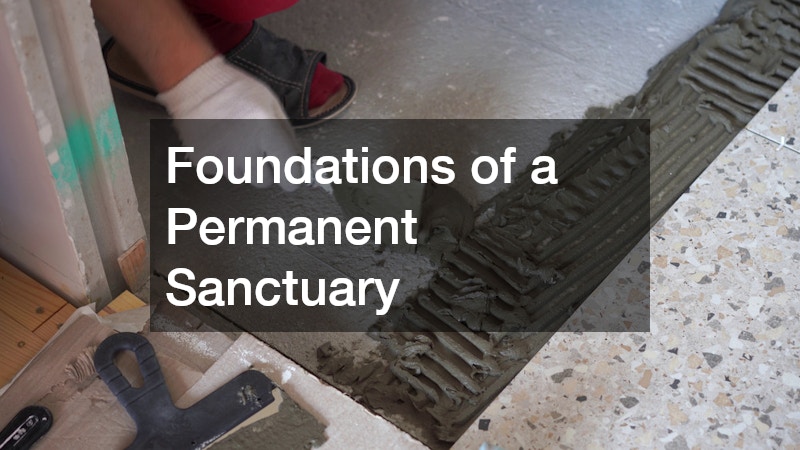
The integrity of a bathroom begins long before the first tile is laid. Most failures in high-moisture environments are the result of “telegraphing,” where a failure in the subfloor or wall framing eventually cracks the expensive finish material on top. To prevent this, the underlying structure must be rigid and perfectly waterproofed. This usually involves replacing standard drywall with cement-based backer boards or high-density foam panels that are impervious to water.
Finding a professional who understands the nuances of waterproof membranes is the first step in this journey. A qualified bathroom contractor will prioritize the “wet-room” philosophy, ensuring that even if water gets past the grout, it is directed back toward the drain rather than into the wooden studs. This level of technical planning is what separates a cosmetic flip from a generational renovation.
Beyond the waterproofing, the layout must be finalized with future accessibility in mind. This includes blocking for future grab bars inside the walls, even if you do not need them today. A seasoned bathroom remodeling contractor knows that it is far cheaper to add plywood reinforcement to the studs now than to try to find a secure mounting point through solid stone or tile twenty years down the line.
Engineering the Water Management System
The plumbing system is the cardiovascular network of the bathroom. While modern PEX piping has made installations easier, a lifetime bathroom requires a focus on high-quality brass fittings and accessible shut-off valves. Hidden leaks are the silent killers of home longevity, often going unnoticed until the subfloor has rotted. Using leak-detection technology and ensuring that every connection is pressure-tested can save thousands of dollars in future repairs.
Selecting a reputable plumbing company is vital because the best materials in the world will fail if the pitch of a drain or the soldering of a joint is subpar. These professionals ensure that the internal mechanics of the shower valves and faucets are made of ceramic discs rather than rubber washers, which degrade over time. Investing in “commercial-grade” internal components ensures that the only maintenance required will be the occasional cleaning of an aerator.
In the shower itself, the transition to heavy-duty enclosures is a hallmark of durable design. Thick, tempered glass showers are significantly more stable and easier to clean than framed units or plastic curtains. By using a frameless design with minimal hardware, you reduce the number of places where mineral deposits and mold can take hold, ensuring the enclosure remains crystal clear and structurally sound for decades.
Selecting High-Performance Stone Surfaces
When it comes to horizontal surfaces, the bathroom environment is particularly harsh. Surfaces are subjected to acidic cleaners, toothpaste, cosmetics, and standing water daily. For a surface to last a lifetime, bathroom countertops must have a very low absorption rate to prevent deep-seated discoloration. While many people love the classic look of marble, its high porosity makes it a poor candidate for a “fix-and-forget” bathroom, as it requires constant sealing and is easily etched by common household products. Over time, the maintenance required to keep soft stones looking pristine becomes a burden that most homeowners eventually regret.
For those who want the ultimate in durability, quartz countertops are the gold standard in modern design. These engineered stones are composed of roughly 90 percent crushed natural quartz bound with high-performance, industrial-strength resins. This manufacturing process creates a slab that is almost entirely devoid of the internal fissures and pores found in natural stone. Because they are non-porous, they never require sealing and are virtually impossible to stain or harbor bacteria, making them the most hygienic and long-lasting choice for a high-use family bathroom.
The long-term value of these surfaces lies in their incredible consistency and impact resistance. Unlike natural slabs that may have hidden weak points, engineered surfaces are uniform throughout, which makes them less prone to chipping at the edges. This reliability allows for sleeker edge profiles and undermount sink installations that remain watertight for decades. By removing the need for annual chemical treatments and heavy scrubbing, you ensure that the vanity area remains a centerpiece of the home without the fear of inevitable wear and tear.
Balancing Natural Aesthetics with Maintenance Realities
If you are a purist who insists on natural stone, there are still ways to ensure longevity. The key is understanding the specific geology of the stone you select. Some natural stones are significantly denser than others, and their performance in a wet environment varies wildly. Understanding the difference between a calcific stone and a silicic stone will dictate how much work you have to do to keep the room looking new.
A polished granite countertop is one of the few natural options that can truly compete with engineered stone for longevity. Because granite is formed under intense heat and pressure deep within the earth, it is incredibly hard and resistant to scratching. When properly polished and treated with a high-quality impregnating sealer, it provides a timeless, rugged surface that can withstand the rigors of daily life for generations.
To complement these heavy stone surfaces, the vertical elements of the room should be used to maximize light and space. Installing large, custom mirrors can transform the perceived scale of a room. When these are high-quality, copper-free glass products, they resist the “black edge” corrosion that typically plagues cheaper mirrors in humid environments, ensuring that the room remains bright and elegant throughout its lifespan.
Durable Storage and Ground-Level Solutions
Storage is where many bathrooms show their age first. Cheap particle-board vanities absorb moisture from the air, causing the laminate to peel and the wood to swell. For a lifetime bathroom, cabinetry must be constructed from solid wood or marine-grade plywood. These materials are naturally more stable in fluctuating humidity levels and can be refinished or repainted if your style preferences change thirty years from now.
Quality cabinetry also features high-end hardware, such as stainless steel soft-close hinges and drawer slides. These mechanical parts are often the first things to break in a budget bathroom, but premium versions are rated for hundreds of thousands of cycles. By investing in a well-built vanity base, you are creating a permanent piece of furniture that anchors the room’s design.
Flooring serves as the final piece of the durability puzzle, and for many, nothing matches the organic elegance of natural timber. While some designers shy away from this material in wet environments, you can successfully integrate hardwood flooring into a lifetime bathroom if you prioritize specific species and expert finishing techniques. Choosing a wood with high oil content and natural rot resistance provides a foundation that can handle the occasional splash while adding a level of comfort underfoot that stone cannot replicate. When properly installed by a specialist who understands expansion gaps and marine-grade topcoats, wood becomes a viable, generational choice that ages beautifully. This approach allows you to maintain a cohesive design language throughout the home without sacrificing the structural integrity of your sanctuary.
Engineering the Environment: Tiling and Climate Control
Tiling is often where the aesthetic of a bathroom is defined, but it is also a critical component of the room’s defense system. For a lifetime installation, the focus must be on porcelain rather than ceramic. Porcelain is fired at significantly higher temperatures and is much denser, making it less likely to crack under pressure and far more resistant to water absorption. This density is a key factor in long-term hygiene, as it prevents moisture from seeping into the body of the tile and fueling mold growth from the inside out. When selecting these materials, homeowners should pay close attention to the Dynamic Coefficient of Friction rating. Choosing a tile with high slip resistance ensures that the floor remains safe for occupants as they age, providing a surface that is as functional as it is beautiful.
The methodology of the installation is just as important as the tile itself. Using large-format tiles can reduce the number of grout lines, which are historically the weakest points in any moisture-prone installation. However, these larger slabs require a perfectly flat substrate to prevent lippage, where the edges of the tiles do not sit flush and create trip hazards. To secure these tiles, one should move away from traditional cement-based grouts in favor of high-performance epoxy or urethane options. Unlike cement, these advanced materials are non-porous and do not require periodic sealing, offering a permanent shield against staining and structural cracking. A lifetime installation also accounts for the natural movement of a house by using color-matched silicone caulking at all change-of-plane corners, allowing the tile assembly to flex without fracturing.
While surface materials are vital, a bathroom that lasts is ultimately a bathroom that breathes. Ventilation is perhaps the most underrated aspect of bathroom durability, acting as an invisible protector for every other material in the room. Without a high-capacity, quiet exhaust fan, steam will settle on every surface, eventually leading to wallpaper peeling, paint bubbling, and the slow degradation of wooden elements. The fan should be powerful enough to move the entire volume of air in the room at least eight times per hour to ensure that humidity never has a chance to dwell. Integrating humidity-sensing switches can automate this process, keeping the fan running until the air is sufficiently dry, even after you have left the room.
To further enhance this climate control, many modern designs incorporate electric underfloor heating systems. While often viewed as a luxury, these systems serve a practical purpose by warming the floor and causing moisture to evaporate more quickly, which directly inhibits the growth of mildew in grout lines. This dry environment is complemented by the use of LED fixtures specifically rated for wet locations. These lighting solutions last for decades and generate very little heat, protecting the integrity of the light housing and the surrounding ceiling material. By controlling the internal climate, you protect your investment in stone and metal, ensuring the space remains as pristine in twenty years as it was on the day of completion.
The Value of Timeless Design
Stick to neutral palettes for the permanent fixtures like the tub, toilet, and wall tile. You can add personality and color through towels, art, and hardware, which are easily replaced. White, off-white, and soft gray tones in high-quality porcelain or stone have remained popular for decades and are likely to remain desirable for decades to come.
Consider the “Universal Design” principles as well. A curbless shower entry, wider doorways, and lever-style faucet handles make the bathroom accessible for everyone, regardless of age or physical ability. Building these features in now ensures that you won’t have to remodel the space again later in life to accommodate changing mobility needs. This is the ultimate form of future-proofing.
A lifetime bathroom requires a significant upfront investment, both in terms of money and research. However, the return on that investment is a home that remains stable, beautiful, and functional for as long as you live in it. By choosing materials based on their chemical resistance, structural density, and timeless appeal, you create more than just a room—you create a permanent sanctuary that stands as a testament to quality craftsmanship and thoughtful planning. This approach turns a standard home improvement project into a legacy of durability.