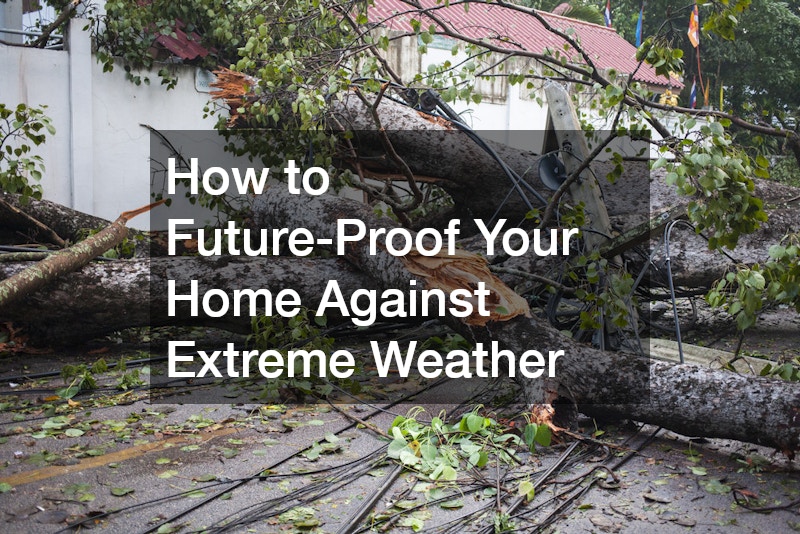
Weather patterns across the country are changing rapidly. Homeowners can no longer rely on historical climate data or old neighborhood memories to protect their properties. Flash floods are hitting areas that have never seen standing water, summer heatwaves are testing power grids to their absolute limits, and winter storms are bringing freezing temperatures to unexpected regions. Waiting for a major weather event to hit your area before taking action is a dangerous and expensive gamble.
Proactive home mitigation means strengthening your property today so it can withstand severe environmental conditions tomorrow. Taking a defensive approach to home maintenance saves you from the immense financial, physical, and emotional trauma of dealing with a ruined living space. This in-depth guide provides clear, structural, landscaping, and interior strategies to transform your house into a resilient fortress capable of keeping your family safe and dry through any storm.
Fortifying the Core Structure Against High Winds and Flying Debris
Install Impact-Rated Windows and Reinforced Roof Tie-Downs
The outer shell of your house is its first line of defense against high-wind events like tornadoes, hurricanes, and severe thunderstorms. When intense wind hits a building, it searches for any weak point to breach the structure. If a window shatters or a door blows open, wind rushes inside, causing a sudden change in internal pressure that can literally lift the roof right off the walls. Working with a licensed building contractor allows you to reinforce these critical weak points before storm season arrives.
These structural experts can install impact-rated windows that withstand flying tree branches or debris without shattering. They can also inspect your attic space and install heavy-duty steel hurricane straps. These metal connectors tie your roof trusses securely to the wall studs, creating a continuous load path that directs wind forces down into the foundation, preventing catastrophic roof uplift.
Create a Safe Zone With an In-Ground or Safe-Room Shelter
When winds reach extreme speeds, even a well-built home can suffer severe damage. To ensure your family has absolute protection during a crisis, you should consider constructing a dedicated, wind-resistant sanctuary that meets strict federal safety guidelines. Consulting with certified storm shelter contractors is the most effective way to design an emergency space that can withstand the absolute worst conditions.
These specialists can install an underground steel bunker in your yard or reinforce an interior room, like a closet or laundry room, with solid concrete and heavy steel plating. When evaluating options for an emergency safe room, keep these actionable tips in mind:
- Ensure the structure is officially certified to withstand wind speeds up to 250 miles per hour and heavy flying debris impacts.
- Verify that the shelter has a heavy-duty, multi-point locking steel door that opens inward so you cannot get trapped by external fallen debris.
- Stock the interior space with emergency supplies, including flashlights, a battery-powered weather radio, non-perishable food, and medical kits.
Managing Heavy Rainfall and Surface-Water Diversion
Grade Your Lawn Outward and Install Deep French Drains
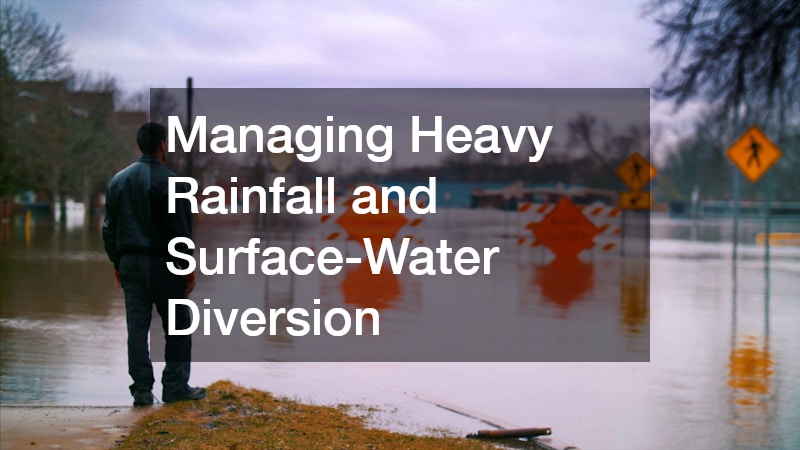
Heavy downpours can dump months’ worth of rain onto your property in a matter of hours. If your yard is flat or slopes inward toward your foundation, that water will rapidly collect against your basement walls or crawlspace, causing severe structural cracking and interior flooding. To fix this, you must change the landscape to direct water away from your living space. Utilizing a professional trenching service allows you to reshape your property’s drainage system efficiently.
These crews can dig deep channels along your lawn to install high-capacity French drains. These systems consist of perforated pipes buried under layers of gravel, which collect thousands of gallons of surface water and redirect it safely toward a municipal storm drain or lower-lying release point far away from your home’s foundation walls.
Secure Sump Pumps With Secondary Battery Power Supplies
For homes built in areas with high water tables or low-lying basements, a reliable mechanical defense is absolutely essential. When water begins to saturate the ground outside, it creates hydrostatic pressure that forces moisture through porous concrete. A high-quality sump pump system acts as your baseline defense, catching water before it breaches your floorboards and pumping it outside. However, relying solely on standard electricity is a major risk, as severe storms frequently knock out local power lines.
If your pump dies during a heavy storm, your basement can flood within minutes. Investing in an automated backup plumbing defense ensures that your home stays protected even when the neighborhood grid goes completely dark. If water does breach your perimeter despite your best efforts, you must immediately begin water damage restoration protocols to extract the moisture, dry out the structural timbers, and prevent structural rot.
Choosing Resilient Interior Materials for Quick Recovery
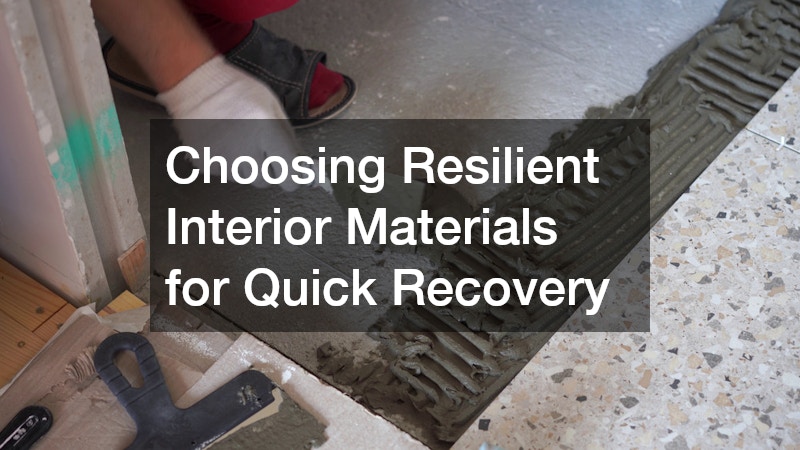
Opt for Non-Porous Tile or Engineered Vinyl Instead of Carpet
If you live in an area that is highly vulnerable to seasonal flooding or storm surges, the materials you choose for your interior design will dictate how quickly you can recover from a disaster. Traditional flooring materials like thick carpets, organic padding, and solid hardwoods act exactly like sponges when they come into contact with water. They absorb toxic floodwaters deeply, warp instantly, and become completely unsalvageable within hours.
Working with a certified flooring contractor can help you transition your lower levels toward moisture-resistant alternatives. Opting for non-porous ceramic tiles, solid stone, or high-grade luxury engineered vinyl planks allows your floors to survive a minor moisture intrusion. These durable materials do not absorb water, meaning that if a leak or flood does happen, they can be easily cleaned, sanitized, and completely saved without needing a costly total tear-out.
Research Emergency Mitigation Protocols Prior to the Storm Season
When water enters a home, the clock starts ticking immediately. Mold spores can begin to grow on damp drywall, baseboards, and furniture within twenty-four to forty-eight hours. To minimize the long-term structural impact on your property, you need access to rapid, industrial-grade drying equipment. Researching a professional water restoration service before a severe weather emergency happens ensures that you know exactly who to call when a crisis strikes.
A certified mitigation team will bring heavy-duty truck-mounted water extractors, commercial dehumidifiers, and high-velocity air movers to strip moisture out of the air and walls before permanent damage sets in. Understanding these cleanup protocols ahead of time allows you to make calm, smart decisions rather than panicking during a chaotic storm event.
Securing Your Emergency Cleanup Network

Keep Certified Extraction Specialists on Rapid Speed Dial
During a widespread natural disaster, local emergency services and professional cleanup crews face an overwhelming wave of service requests. If you wait until a major hurricane or flood passes to start looking for a contractor, you could end up waiting days or weeks for help to arrive, allowing toxic mold to destroy your remaining property. Building a relationship with trusted water restoration companies ahead of time gives you a massive advantage.
Keeping these certified extraction specialists on your rapid speed dial list allows you to report damage immediately after it occurs. These teams have the specialized safety equipment, moisture meters, and thermal cameras required to locate hidden pockets of water trapped behind your walls, ensuring your home is dried completely and safely. When vetting a professional response crew, look for these specific operational markers:
- Confirm they are officially certified by recognized global cleaning and restoration authorities.
- Verify that they offer genuine twenty-four-hour emergency dispatch lines every single day of the year.
- Ask if they own a large inventory of commercial drying equipment so they can handle multiple properties simultaneously during a community crisis.
Document Your Property Layout for Seamless Insurance Claims
Recovering from extreme weather damage is not just a physical challenge; it is also a complex financial and administrative process. To get the money you need to rebuild your home, you must file a detailed claim with your homeowners’ insurance provider. The keys to a successful claim are thorough documentation and clear proof of loss. If you cannot prove the pre-storm condition of your property, your insurance adjuster may deny or significantly lower your payout.
Working with an experienced flood damage restoration company can streamline this stressful process. These specialized firms do not just clean up physical mud and water; they also employ experienced estimators who write line-by-line damage reports using the exact software platforms that major insurance companies trust. They can document every ruined piece of drywall, warped door, and damaged electronic item, ensuring you receive the maximum financial assistance allowed under your insurance policy.
Thermal Resilience: Protecting Utilities from Severe Temperature Spikes
Elevate Critical Mechanical Units Above Historical High-Water Marks
Extreme weather does not just mean water and wind; it also includes intense summer heatwaves and freezing winter cold snaps that force your indoor climate systems to work incredibly hard. Protecting your expensive utility units from severe storm damage is a critical part of future-proofing your home. If your outdoor heating and cooling units are sitting low on the ground, a minor flash flood or heavy snowdrift can submerge the delicate electrical components, instantly ruining the entire machine.
You should hire a licensed HVAC contractor to inspect your mechanical setup and raise your outdoor compressors, heat pumps, and backup generators onto elevated concrete platforms or secure metal brackets well above historical high-water marks. These technicians can also install advanced whole-house surge protectors on your main electrical panels. This safeguards your expensive climate control equipment from the massive electrical spikes that occur when lightning strikes nearby power poles or when the electrical grid fluctuates during a major storm event.
Upgrade Your Attic Barrier to Keep Indoor Climates Stable
When an extreme weather event hits your area, the local utility lines are often the first things to fail. If you lose power during a sub-zero winter freeze or a hundred-degree summer heatwave, the indoor temperature of your home can quickly reach dangerous levels. The best way to protect your family from severe temperature spikes is to improve your home’s thermal boundary. Bringing in a professional insulation contractor to evaluate your property can completely transform your home’s energy efficiency.
These specialists can seal hidden air leaks in your attic space and install high-performance blow-in insulation or solid spray foam barriers. This heavy-duty thermal layer acts as a permanent shield, preventing outside temperatures from penetrating your living space. To maximize your home’s thermal protection, keep these key installation steps in mind:
- Make sure the crew seals all gaps around plumbing pipes, electrical wires, and recessed lights before adding new insulation layers.
- Ensure that your attic vents stay completely clear and unobstructed so fresh air can flow normally to prevent winter condensation and summer heat buildup.
- Consider applying a reflective radiant barrier coating to the underside of your roof rafters to block intense summer sun heat from entering your attic space.
In addition to these installation steps, it’s essential to regularly check your insulation and thermal barriers for wear and tear. Over time, even the best insulation can settle, lose its effectiveness, or become damp, which can compromise its performance. You should also be aware that proper ventilation is key to maintaining a comfortable and energy-efficient home. By ensuring that not only is your insulation up to par but also that your home’s airflow is balanced, you can create a more resilient environment against extreme weather. Furthermore, investing in energy-efficient windows and doors can complement your insulation efforts, providing an additional layer of protection against temperature fluctuations. Overall, a comprehensive approach to your home’s thermal envelope will yield the best results in safeguarding your family from extreme conditions.
Conclusion
Future-proofing your home against the unpredictable forces of nature is one of the smartest investments a homeowner can make. By taking deliberate, proactive steps to strengthen your structure, manage your landscape drainage, select water-resistant interior materials, and protect your critical mechanical systems, you build a resilient shield around your property. Preparing for the worst weather scenarios today eliminates the panic of a future crisis, keeps your financial investments secure, and prevents minor storms from turning into catastrophic household emergencies. Do not wait for the next severe storm warning to flash across your phone screen. Start building your home maintenance plan, connect with trusted structural specialists, and take control of your property’s long-term safety and peace of mind today.