Exterior home improvements are critical for protecting your property, enhancing curb appeal, and maintaining long-term value. Whether upgrading the roof, replacing windows, or looking for a fence installation, the success of these projects depends heavily on hiring the right professionals. Poor workmanship or substandard materials can lead to costly repairs, safety risks, and decreased property value. In addition, mistakes in installation or material selection can reduce energy efficiency, accelerate wear, and diminish the overall aesthetic appeal of your home, highlighting the importance of careful planning from the start.
Hiring the right experts requires research, planning, and clear communication. Knowing what to look for in contractors, how to evaluate skills, and how to coordinate projects ensures home improvements are efficient, durable, and visually appealing. Beyond selecting qualified professionals, homeowners should consider how each improvement interacts with other systems in the home. For example, roof installation impacts attic ventilation and insulation, while window replacement can affect heating and cooling efficiency.
Many homeowners underestimate how interconnected exterior systems are. Roof installation affects insulation and drainage, window replacement impacts indoor temperature and light, and fences can influence landscaping and property security. Ignoring these interactions can result in unexpected problems like water intrusion, energy inefficiency, or structural damage. A holistic understanding ensures that every improvement complements the rest of the home. Planning with foresight allows for smoother integration of new features, whether it’s coordinating fence placement with landscape drainage or selecting windows that balance natural light with energy savings.
Moreover, hiring trusted professionals provides peace of mind and reduces the stress of navigating construction complexities. Skilled contractors can guide homeowners in choosing materials, managing permits, and maintaining safety compliance. By investing time in proper planning and research, homeowners can ensure that projects are completed efficiently, within budget, and to a high standard, providing long-term value, functionality, and comfort. With the right team and approach, exterior improvements become an investment that enhances both the present enjoyment and future security of your home.
Assessing Your Home’s Needs Before Hiring

Before contacting contractors, it’s crucial to evaluate your home’s condition and identify priority areas. Roofs, windows, and fences all contribute to safety, energy efficiency, and aesthetics, so recognizing where improvements are most needed can save time and reduce costs.
Begin with a thorough walkthrough of both the exterior and interior, noting visible damage, wear, or inefficiencies. Pay attention to areas that may not be immediately obvious, such as attic ventilation, drainage issues, or uneven fencing. Documenting observations with photos and notes helps provide a clear reference for contractors, ensuring nothing is overlooked.
Homeowners should also consider how each improvement impacts long-term goals. For instance, upgrading roofing may improve insulation and reduce energy bills, while fence upgrades can enhance security and landscaping aesthetics. Prioritizing critical areas first allows for better budgeting and scheduling, making the renovation process more efficient and effective.
Steps to assess your home:
- Conduct a visual inspection for leaks, cracks, warped siding, and roof damage.
- Identify inefficiencies, including drafty windows, worn roofing, or weathered fences.
- Consider long-term objectives like energy efficiency, enhanced curb appeal, or increased security.
- Highlight special requirements, such as egress windows for safety or durable metal roof installation.
In addition to surface-level inspections, examine hidden or less obvious elements. Roof underlayment, flashing, ventilation, and insulation all affect performance. A metal roof installer can assess whether the structure can support new materials and recommend options for optimal durability. Observing seasonal changes, such as ice dams in winter or roof leaks after storms, helps pinpoint problem areas.
Document findings with photos, notes, and measurements. These records serve as references when discussing needs with contractors and help ensure accurate quotes. Prioritizing urgent repairs first and planning optional upgrades later allows for strategic budgeting and reduces the risk of project delays. Involving family members in the assessment process can help capture lifestyle needs, such as window treatments for privacy or fences for child and pet safety. Proper assessment ensures the project addresses both functional and aesthetic goals.
Researching and Shortlisting Qualified Contractors
Once needs are clear, the next step is identifying skilled professionals. Hiring reliable contractors ensures projects are completed efficiently and to a high standard.
Steps for research:
- Read reviews and testimonials to understand customer experiences.
- Contact references for detailed feedback on quality and reliability.
- Verify licenses, insurance, and professional certifications.
- Compare multiple contractors on price, timelines, and expertise.
Beyond credentials, assess experience in projects similar to yours. Fence companies may specialize in wood fences, chain-link, or composite materials, while local roofers familiar with the area’s climate can recommend appropriate roofing solutions. Visiting completed projects allows you to judge workmanship firsthand.
Evaluate communication skills, responsiveness, and willingness to provide advice on materials, timelines, and maintenance. A contractor’s ability to coordinate with subcontractors, obtain permits, and handle multiple phases of a project efficiently is critical for minimizing delays. Word-of-mouth referrals from neighbors, community groups, or homeowners’ associations can be especially reliable.
Creating a shortlist of trusted professionals allows homeowners to schedule consultations, ask detailed questions, and compare proposals. This step ensures you select contractors who understand your goals, offer appropriate solutions, and deliver high-quality results. Taking the time to vet professionals upfront saves time, money, and stress during the project.
Understanding Services and Specializations
Not all contractors offer the same expertise. Understanding what each professional brings to the table ensures you hire the right team for your project. Window treatment services can range from simple blinds installation to custom shading solutions, while an egress window requires structural modifications and code compliance.
Considerations when evaluating services:
- Confirm the full scope of work, including design, installation, and post-installation support.
- Determine if they handle repairs, replacements, or both.
- Verify experience with specialized upgrades, such as energy-efficient windows or metal roof installation.
- Ensure knowledge of local building codes and safety standards.
Some contractors offer bundled services, which can streamline scheduling and reduce disruption. For instance, combining window replacement with window treatment installation ensures cohesive aesthetics and functionality. Egress windows are especially important for safety and require expertise in framing, measurements, and permits.
During consultations, ask detailed questions about the contractor’s experience with similar projects. Verify whether they offer post-installation maintenance or adjustments, which can help maintain performance over time. Understanding service scope and specialization helps avoid surprises, ensures code compliance, and guarantees high-quality results. Selecting professionals with proven expertise in your project type minimizes risk and maximizes satisfaction.
Evaluating Quality and Material Options

Material choice directly impacts durability, functionality, and aesthetics. Discussing options with contractors ensures selections meet both visual and performance goals.
Tips for evaluating materials:
- Inspect samples or visit completed projects to assess quality.
- Compare lifespan, energy efficiency, and maintenance needs.
- Factor in climate resilience and environmental impact.
- Consider long-term value; higher-quality materials often reduce future repair costs.
Material selection affects installation techniques and longevity. Energy-efficient windows require precise sealing and insulation, while wood fences need treatment to resist rot, insects, and weathering. Consulting contractors helps balance aesthetics, durability, and cost. Ask about warranty coverage, maintenance schedules, and installation techniques that maximize lifespan.
Consider emerging material innovations, such as composite fencing or metal roofing with protective coatings. Evaluate how the chosen materials complement your home’s architecture and surroundings. Proper material evaluation ensures long-term performance, reduces maintenance needs, and enhances the property’s overall value. By integrating quality materials with skilled installation, homeowners protect their investment while improving the home’s comfort and appearance.
Requesting Detailed Estimates and Contracts
Clear estimates and contracts prevent disputes and provide transparency. Include all costs: materials, labor, permits, and cleanup.
Best practices:
- Request itemized estimates covering all aspects of the project.
- Confirm warranties for workmanship and materials.
- Clarify payment schedules, milestones, and completion timelines.
- Include detailed written contracts to avoid misunderstandings.
Discuss contingencies such as weather delays, hidden damage, or permit complications. Contracts should outline responsibilities for site cleanup, waste disposal, and protection of landscaping. Include clauses for change orders and dispute resolution. Document all project details to maintain accountability.
A comprehensive contract ensures both homeowner and contractor understand expectations, scope, and legal obligations. It protects your investment, ensures compliance with building codes, and provides recourse if standards are not met. Clear agreements also make scheduling, communication, and quality control more efficient, reducing stress and helping projects stay on time and within budget.
Communicating Expectations and Project Goals

Effective communication is essential for successful exterior improvements. Clearly defining goals ensures alignment and prevents misunderstandings.
Tips for communication:
- Set expectations for budget, timeline, and project scope.
- Schedule regular progress updates to monitor work.
- Document all changes to prevent confusion.
- Discuss safety protocols and adherence to building codes.
Proactive communication fosters collaboration and problem-solving. Regular site visits and check-ins help identify issues early. Metal roof installers or fence builders should confirm specifications, provide input on optimal materials and installation methods, and offer advice on long-term maintenance.
Use visual aids, photos, or design mock-ups to communicate aesthetic preferences. Digital project management tools can streamline updates and document discussions. Involving all stakeholders ensures smooth coordination. Transparent communication ensures that projects remain on track, align with your vision, and meet quality expectations while reducing conflicts or delays.
Inspecting Work and Ensuring Compliance
Inspections at key stages safeguard quality and compliance.
Inspection strategies:
- Conduct walkthroughs at critical milestones.
- Verify adherence to specifications and building codes.
- Confirm proper installation of materials and systems.
- Address deficiencies before final payment.
Homeowners should carefully check workmanship during roof installation, ensuring proper shingle placement, flashing, and drainage. For window replacement, verify tight seals, alignment, and energy efficiency compliance. Document inspections with photos, notes, and timestamps. Consider hiring a third-party inspector for additional assurance.
Frequent inspections prevent small errors from becoming costly repairs. They also help ensure warranty compliance and validate that contractors meet agreed-upon standards. By monitoring work throughout the project, homeowners can maintain control, ensure quality, and achieve a finished product that meets both functional and aesthetic objectives.
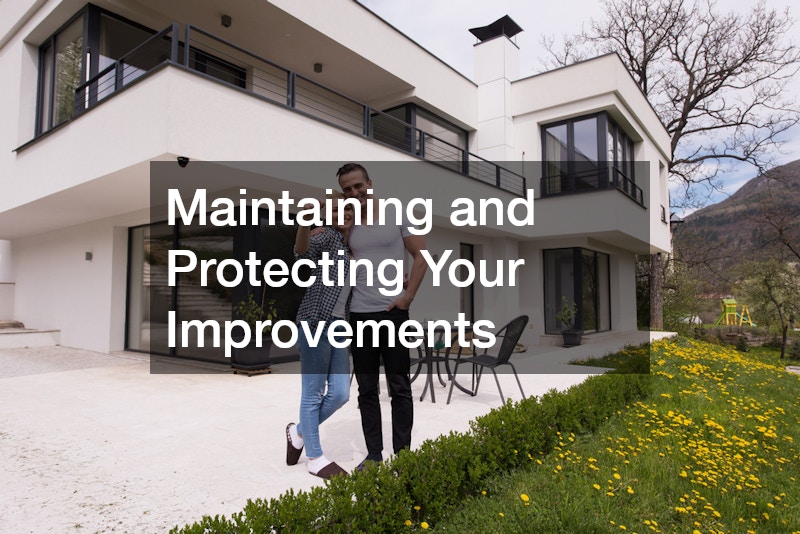
Maintaining and Protecting Your Improvements
Proper maintenance extends the life of exterior improvements and protects your investment.
Maintenance tips:
- Schedule seasonal inspections for roofs, fences, and windows.
- Clean and lubricate moving parts on windows and treatments.
- Treat wood fences to prevent decay, insects, and weathering.
- Monitor caulking, flashing, and seals to prevent leaks.
Follow contractor guidance for ongoing care. Routine maintenance ensures durability, preserves aesthetics, and maintains energy efficiency. Document maintenance to comply with warranties and track long-term performance. Inspect for water damage, pests, and structural shifts regularly.
Maintenance plans enhance the longevity and functionality of improvements while preserving property value. Combining professional guidance with consistent care ensures that investments remain safe, attractive, and efficient for years. Proactive maintenance reduces repair costs, prevents unexpected failures, and allows homeowners to enjoy their improvements with confidence.
Hiring trusted professionals for exterior home improvements is essential for safety, durability, and long-term value. Careful assessment, research, and communication ensure that roofing, window, and fencing projects meet expectations while avoiding costly mistakes. By investing time in vetting qualified contractors, homeowners reduce the risk of substandard workmanship and ensure that each element of their home functions as intended.
Prioritizing skilled contractors, evaluating materials, and maintaining improvements creates a durable, attractive, and functional exterior. Thoughtful planning, ongoing oversight, and proactive maintenance turn renovation projects into investments that enhance comfort, energy efficiency, and curb appeal for years. Beyond the immediate benefits of aesthetic enhancement, proper execution helps prevent structural damage, moisture intrusion, and energy loss, protecting both the home and its occupants.
Homeowners who integrate planning, skilled execution, and regular upkeep protect their property, maximize long-term value, and enjoy peace of mind. By carefully selecting professionals and materials, establishing clear expectations, and following maintenance schedules, exterior home improvements become a source of pride and lasting benefit. Furthermore, fostering strong communication with contractors and regularly reviewing completed work ensures any minor issues are addressed promptly, preventing larger problems in the future.
With diligence and strategic planning, homes can remain beautiful, functional, and resilient for decades. Thoughtful investment in exterior upgrades not only improves immediate living conditions but also safeguards the home as a long-term asset, supporting family safety, comfort, and financial security. Homeowners who take a proactive approach reap both tangible and intangible rewards, turning renovation projects into enduring value for themselves and future generations.