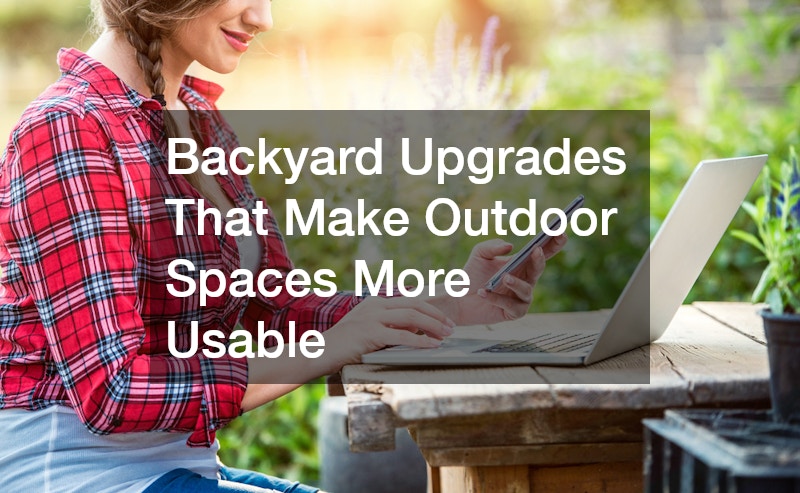
Creating an outdoor space that feels comfortable, functional, and easy to use throughout the year requires thoughtful planning and intentional improvements. Many homeowners start with a basic yard but quickly realize that without the right features in place, outdoor areas can feel underutilized or difficult to maintain. Thoughtful backyard upgrades can transform an ordinary yard into an extension of the home, offering spaces for relaxation, entertaining, play, and practical daily use. These upgrades are not about chasing trends or making cosmetic changes alone. Instead, they focus on improving usability, accessibility, and long-term value.
When outdoor spaces are designed with function in mind, they become more inviting and easier to enjoy. Walkways make movement safer, drainage solutions prevent standing water, and structural features define how the yard can be used. Strategic backyard upgrades also help homeowners address common challenges such as uneven terrain, poor water flow, lack of privacy, or limited shade. By improving these foundational elements, the yard becomes more adaptable to different activities and seasons.
Another benefit of well-planned backyard upgrades is reduced maintenance stress. Yards that are properly graded, irrigated, and structured are easier to care for over time. Instead of constantly reacting to problems like erosion, overgrown areas, or water damage, homeowners can enjoy a more balanced outdoor environment that supports long-term use. The following sections explore specific ways outdoor improvements can make yards more usable, practical, and enjoyable for everyday living.

Defining Boundaries and Improving Privacy
One of the most effective ways to make an outdoor space more usable is by clearly defining its boundaries. When a yard feels open without structure, it can be difficult to determine how to use different areas. Adding defined borders helps create a sense of order and purpose, making the space feel more intentional. Fencing, hedging, and natural barriers can all contribute to a yard that feels both secure and private.
Privacy plays a significant role in how often homeowners use their outdoor spaces. A yard that feels exposed to neighbors or street traffic may not encourage relaxation or entertaining. By incorporating local fence services, homeowners can create designated areas for lounging, dining, or recreation while maintaining a sense of seclusion. Fences also help reduce noise, block unwanted views, and create a safer environment for children and pets.
Beyond privacy, defined boundaries help establish zones within the yard. A fenced garden area, a separate play space, or a designated seating zone can all coexist more comfortably when the layout is clear. These distinctions allow multiple activities to take place at the same time without the space feeling crowded or chaotic. Over time, these types of backyard upgrades help homeowners use their yards more frequently and with greater confidence.
Clear boundaries also support long-term maintenance. Fenced or bordered areas help prevent soil erosion, protect landscaping investments, and reduce wear on turf. When outdoor spaces are structured intentionally, they are easier to manage and maintain. This balance between form and function is what turns a simple yard into a usable outdoor living environment.
Improving Ground Conditions and Yard Accessibility
Uneven ground is one of the most common barriers to enjoying an outdoor space. Slopes, dips, and poorly compacted soil can limit how homeowners move through their yards and restrict where furniture or features can be placed. Addressing these issues improves safety and makes the entire area more accessible. Proper ground preparation is often one of the most impactful backyard upgrades, even though it may not always be immediately visible.
Working with local excavating services allows homeowners to reshape their yards in ways that support better usability. Grading and leveling help eliminate tripping hazards, improve drainage, and create stable surfaces for patios, walkways, and play areas. When the ground is properly prepared, outdoor spaces become easier to navigate and more adaptable to different uses.
Accessibility is especially important for households with children, older adults, or frequent guests. Smooth transitions between different parts of the yard encourage movement and reduce limitations. A level surface also makes it easier to install additional features later, such as seating areas or outdoor kitchens, without major rework. Proper excavation supports long-term yard health. Water flows more effectively, reducing erosion and preventing pooling that can damage grass or plants. These foundational improvements ensure that other backyard upgrades last longer and perform better. By starting with solid ground conditions, homeowners set the stage for a more functional and enjoyable outdoor space.
Creating Functional Outdoor Layouts With Landscaping
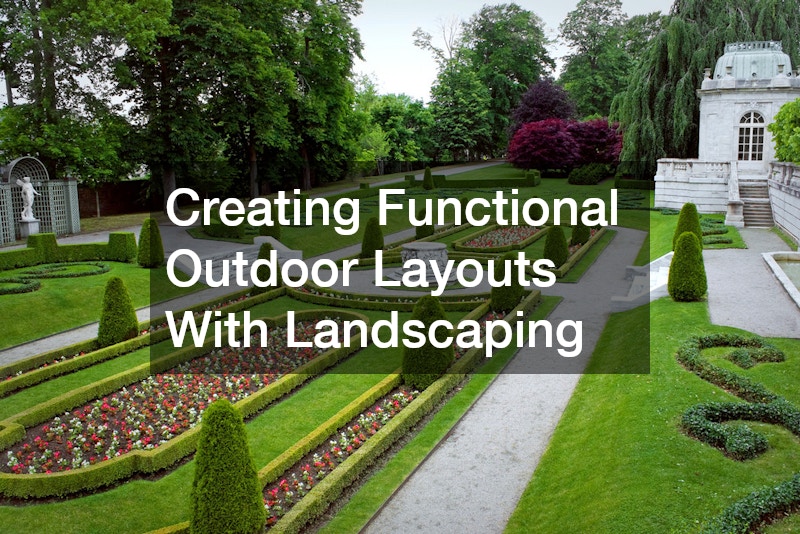
A yard without a clear layout can feel disorganized, even if it is visually appealing. Landscaping plays a critical role in guiding how outdoor spaces are used. Strategic plant placement, defined pathways, and intentional spacing help create flow and purpose throughout the yard. These design choices influence how people move, gather, and relax outdoors.
Collaborating with local landscaping companies allows homeowners to develop layouts that support both beauty and function. Thoughtful landscaping can direct foot traffic, create shaded areas, and define gathering spaces without the need for permanent structures. Trees, shrubs, and ground cover work together to establish natural boundaries that enhance usability.
Functional landscaping also supports seasonal use. Plants can be selected to provide shade in summer, wind protection in cooler months, or visual interest year-round. When landscaping is planned with function in mind, it complements other backyard upgrades rather than competing with them. The result is an outdoor environment that feels balanced and easy to enjoy. Maintenance is another important consideration. Well-designed landscapes reduce overgrowth, limit problem areas, and make routine care more manageable. By aligning landscaping choices with how the yard is used, homeowners can enjoy a space that looks good and works well over time.
Managing Slopes and Supporting Structural Stability
Yards with elevation changes can be challenging to use without proper structural support. Sloped terrain may limit usable space, contribute to erosion, or make certain areas inaccessible. Addressing these challenges allows homeowners to reclaim valuable outdoor space and improve overall yard safety.
Incorporating local retaining wall services helps stabilize slopes while creating flat, usable areas. Retaining walls serve both practical and aesthetic purposes, holding soil in place and defining different levels within the yard. These structures make it possible to add seating areas, gardens, or walkways where steep grades once existed.
Beyond expanding usable space, retaining walls improve water management and protect landscaping investments. By controlling soil movement, they prevent damage to plants and reduce maintenance needs. These improvements support long-term backyard upgrades by ensuring the yard remains stable and functional. Retaining walls also add visual structure to outdoor spaces. They create natural divisions that help organize the yard and guide movement. When integrated thoughtfully, these features enhance both usability and appearance, making the yard easier to enjoy throughout the year.

Maintaining Healthy Lawns and Plant Life
A healthy yard requires consistent water distribution. Without proper irrigation, some areas may become overwatered while others remain dry, leading to uneven growth and wasted resources. Installing a reliable watering system improves plant health and reduces the time homeowners spend managing their yards.
Sprinkler system installation provides efficient, automated watering that supports consistent growth across lawns and landscaped areas. These systems can be customized to accommodate different zones, ensuring that plants receive the appropriate amount of water based on their needs. This level of control enhances the effectiveness of other backyard upgrades by keeping the landscape in optimal condition.
Automated irrigation also supports usability by reducing manual maintenance. Homeowners can spend more time enjoying their outdoor spaces rather than managing hoses and timers. Well-watered lawns and gardens create a more inviting environment for relaxation and activities. In the long term, proper irrigation contributes to sustainability. Efficient water use supports healthier soil and reduces runoff issues. When combined with thoughtful landscaping and structural improvements, irrigation systems help create outdoor spaces that are both functional and environmentally responsible.
Adding Durable Hardscape Features
Hardscape elements such as patios, walkways, and steps play a major role in outdoor usability. These features provide stable surfaces for walking, seating, and entertaining. Without them, yards can feel limiting, especially during wet or high-traffic conditions. Working with a concrete cutting company allows homeowners to modify existing concrete features or create new pathways that improve access and flow. Precise cuts make it possible to add expansion joints, adjust layouts, or integrate new designs without full removal. This flexibility supports ongoing backyard upgrades as needs change.
Concrete features also enhance safety by providing slip-resistant surfaces and defined walking areas. When installed thoughtfully, they connect different parts of the yard seamlessly. These improvements encourage more frequent use of outdoor spaces by making them easier to navigate. Durability is another key advantage. Concrete hardscapes withstand weather, foot traffic, and time better than many alternatives. By investing in quality hardscape solutions, homeowners create a foundation that supports long-term outdoor enjoyment.
Enhancing Surfaces and Structural Elements
Beyond cutting and modification, new concrete installations can significantly improve how outdoor spaces are used. Patios, driveways, and retaining features provide structure and stability where natural surfaces may fall short. These additions expand the ways homeowners can use their yards. Partnering with local concrete services allows for customized solutions that fit the yard’s layout and intended use. Concrete surfaces create defined areas for dining, seating, or recreation. They also improve accessibility by offering level, durable foundations.
Concrete features integrate well with other backyard upgrades, supporting furniture placement and outdoor amenities. Their versatility makes them suitable for a wide range of uses, from casual gatherings to everyday relaxation. When properly installed and maintained, concrete elements require minimal upkeep. This reliability contributes to a more usable yard that remains functional across seasons and weather conditions.
Addressing Wildlife and Unwanted Interference
Wildlife activity can quickly reduce the usability of an outdoor space. Burrowing animals, nesting birds, or frequent intrusions can damage landscaping and create safety concerns. Addressing these issues helps protect both the yard and the people using it.
Professional wildlife removal services help manage these challenges responsibly. By identifying entry points and addressing underlying causes, these services prevent ongoing damage and reduce disruptions. A yard free from persistent wildlife interference is easier to maintain and more enjoyable to use.
Managing wildlife also supports plant health and structural integrity. Gardens, lawns, and hardscape features last longer when protected from damage. These preventative measures complement other backyard upgrades by preserving their effectiveness.
When outdoor spaces feel secure and predictable, homeowners are more likely to use them regularly. Wildlife management contributes to a calmer, more reliable environment that supports everyday enjoyment.
Maintaining or Removing Trees for Safety and Usability
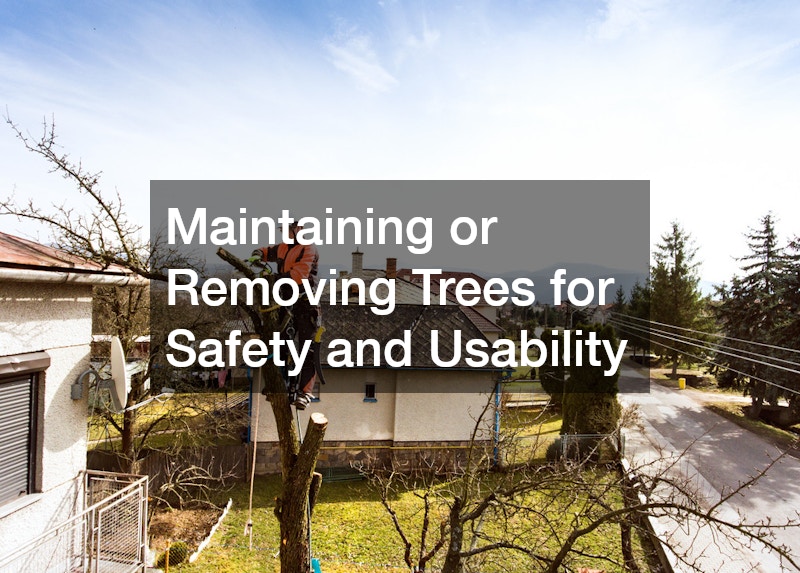
Trees provide shade, visual appeal, and environmental benefits, but they require regular care to remain safe and functional. Overgrown branches can block pathways, damage structures, or limit usable space. Routine maintenance ensures trees enhance rather than hinder outdoor living. Investing in tree trimming services helps manage growth while preserving tree health. Trimming improves visibility, allows more light into the yard, and reduces the risk of falling branches. These improvements make outdoor spaces safer and more accessible.
Well-maintained trees also support landscaping goals. They frame views, create natural shade, and define different areas of the yard. When tree care is part of a broader plan, it strengthens the overall impact of backyard upgrades. Regular trimming reduces long-term maintenance issues and supports healthy growth. This proactive approach ensures trees remain assets rather than obstacles within the outdoor space.
Sometimes, the best way to improve usability is by removing elements that no longer serve the purpose. Dead, damaged, or poorly placed trees can limit space and create safety concerns. Addressing these issues opens up new possibilities for outdoor use. Working with a tree removal company allows homeowners to safely eliminate problem trees while protecting surrounding features. Removing these obstacles creates room for new landscaping, seating areas, or open lawn space. It also reduces the risk of damage during storms.
Tree removal supports the effectiveness of other backyard upgrades by freeing up space and improving sunlight exposure. Newly opened areas can be repurposed to better suit the household’s needs. By thoughtfully removing hazards, homeowners can reimagine their outdoor spaces with greater flexibility. This final step often ties together multiple improvements, resulting in a yard that is safer, more functional, and easier to enjoy throughout the year.
Bringing Function and Comfort Together Outdoors
Well-planned outdoor improvements help transform a yard into a space that supports everyday living, relaxation, and long-term enjoyment. By focusing on structure, accessibility, safety, and maintenance, homeowners can create an environment that feels intuitive and easy to use rather than overwhelming or underutilized. Thoughtful backyard upgrades work best when each element complements the others, building a cohesive layout that adapts to changing needs over time.