
Home upgrades are often approached with excitement and high expectations. New finishes, updated layouts, and modern features promise to improve comfort, appearance, and property value. Yet many homeowners discover— sometimes months or years later— that something still feels off. Rooms may look better but function poorly, energy bills may rise instead of fall, or small issues begin to surface that were never addressed during the renovation process. These problems rarely stem from obvious mistakes; instead, they come from details that were quietly overlooked.
The most costly upgrade mistakes are not always visible right away. They hide behind walls, beneath floors, or within systems that were never evaluated before cosmetic changes began. When projects move too quickly or focus only on surface-level improvements, critical planning steps are skipped. As a result, homeowners may find themselves redoing work, paying for unexpected repairs, or living with daily inconveniences that could have been avoided with better foresight.
Another reason these mistakes are so common is that home upgrades often involve multiple decisions happening at once. Design choices, contractor coordination, budgeting, and scheduling can quickly become overwhelming. In that process, it’s easy to assume certain details are “standard” or will be handled automatically. Unfortunately, assumptions are where many upgrade failures begin. Without clear planning and system-level thinking, even well-executed projects can fall short of their full potential.
This article focuses on the hidden home upgrade mistakes that rarely get discussed but frequently impact results. Rather than highlighting obvious errors, it explores the subtle missteps that undermine comfort, efficiency, and long-term satisfaction. By understanding these overlooked issues before starting a project— or correcting them during one— homeowners can make smarter decisions and achieve upgrades that truly enhance how their homes function every day.
Skipping System Evaluations Before Cosmetic Changes
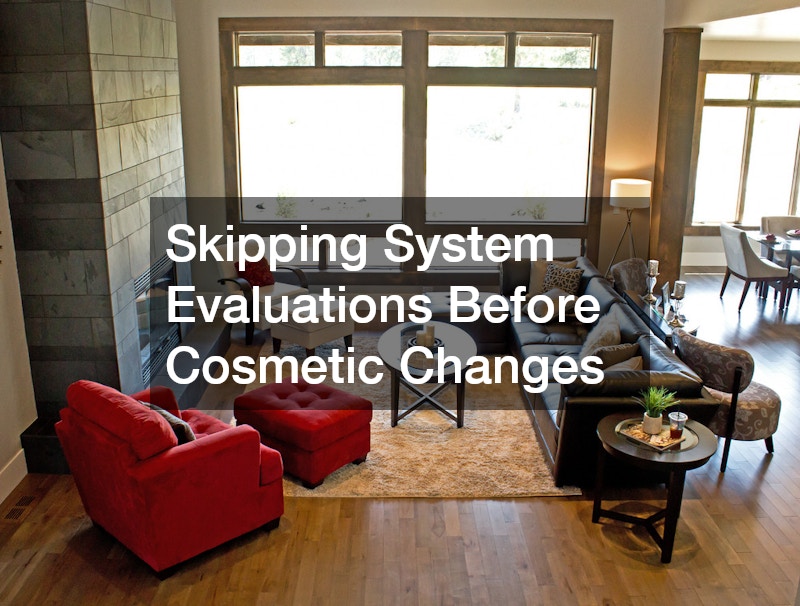
Homeowners often leap into visible upgrades without proper assessment of underlying systems. This can lead to issues like outdated wiring or poor plumbing that could disrupt the integrity of renovation projects. It’s crucial to have HVAC company professionals assess key systems to prevent inefficiencies and unnecessary rework.
Neglecting the evaluation of heating and cooling capacities can result in significant energy inefficiencies. For example, installing new fixtures without accommodating increased HVAC demands means the systems may struggle to maintain the desired indoor climate. Regular check-ups from HVAC repair services ensure systems are in top condition to support new upgrades.
System evaluations should be conducted during the initial stages of the upgrade timeline. Early identification of issues helps in prioritizing tasks, allowing homeowners to address foundational concerns that could compromise cosmetic enhancements. This approach saves time and resources, ensuring a seamless execution of improvement projects.
Treating Climate Comfort as an Afterthought
Poor temperature management can significantly undermine the investment in newly renovated spaces. Emphasizing climate comfort during the planning phase is crucial to avoid this pitfall. Air conditioning services can guide you through optimizing and maintaining the climate system to meet the required standards.
Airflow, zoning, and load balancing play vital roles in maintaining indoor comfort and energy efficiency. An integrated approach can address these factors, ensuring that each room benefits from a consistent environment. Ignoring these can lead to hot and cold spots, undermining the usability and appeal of the renovation.
Signs that indicate climate planning might have been skipped include poor temperature consistency, especially in newly renovated areas. Seeking expert advice early on can eliminate these issues before they arise. Performance assessments and proper zoning strategies are essential components in comprehensive home upgrades.
Hiring Contractors Without Defining Scope Clearly
Ambiguous expectations during home renovation projects can lead to unexpected change orders and budget overruns. Clearly defined project scopes prevent these disruptions while enhancing communication between homeowners and service providers. Utilizing home improvement services helps create a written plan, including detailed assumptions to avoid misinterpretations.
Communication gaps often arise when homeowners fail to clarify their goals and priorities with contractors. This results in misalignment, as contractors may prioritize tasks differently than homeowners expect. Firms offering remodeling services understand the criticality of detailed project scopes to align efforts with customer vision.
Documenting all aspects of a project, including timelines, materials, and labor, ensures smooth operation. An agreed scope keeps both parties accountable, facilitating a transparent and efficient process. The emphasis on clear documentation protects investments and enhances satisfaction with the outcome.
Choosing Materials Without Considering Long-Term Use

One of the most common yet overlooked home upgrade mistakes is selecting materials based purely on appearance without thinking about how they will perform over time. What looks beautiful in a showroom or online photo may not hold up well to daily wear, moisture, heat, or frequent cleaning. Homeowners often underestimate how lifestyle factors— such as cooking habits, pets, children, or entertaining— affect material durability. When materials are chosen without considering real-world use, surfaces can stain, chip, warp, or wear unevenly far sooner than expected. This leads to frustration and, in many cases, costly replacements that could have been avoided with better upfront planning.
High-traffic and high-use areas require especially thoughtful material selection. For example, kitchen and bathroom surfaces are exposed to constant moisture, temperature changes, and cleaning products. Relying solely on aesthetics without understanding maintenance requirements can result in finishes that demand more upkeep than homeowners are prepared for. This is where guidance from professionals offering countertop services becomes valuable, as they can explain how different materials perform under daily conditions. Choosing materials that balance appearance, durability, and maintenance needs ensures the upgrade remains functional and attractive for years.
To avoid long-term regret, homeowners should evaluate materials through the lens of daily use rather than short-term appeal. Before making final decisions, it helps to consider questions such as how often the surface will be used, how easy it is to clean, and how it responds to spills, heat, or impact. A practical approach may include:
- Comparing maintenance requirements between similar-looking materials
- Asking about lifespan and warranty coverage
- Reviewing how materials age rather than how they look when new
After weighing these factors, homeowners are better equipped to make choices that align with both their lifestyle and expectations. Thoughtful material selection not only extends the life of an upgrade but also reduces ongoing maintenance costs and prevents premature replacements.
Underestimating the Impact of Outdoor Enhancements
Enhancements like decks, patios, or landscaping can greatly affect a home’s energy efficiency and comfort level. Ensuring they complement the house’s design and climate control systems is crucial for cohesion and performance. Professional guidance from awning companies can enhance outdoor spaces while maintaining energy efficiency.
Placement, durability, and exposure to the elements are critical considerations for outdoor enhancements. Choosing materials and designs that withstand local climates will enhance the lifespan and reduce maintenance needs. Coordination with interior improvements ensures both areas work together to achieve holistic home efficiency.
Working with professionals on outdoor projects can help align exterior aesthetics with internal renovations. Ensuring outdoor installations don’t compromise indoor climate control is crucial. Proper coordination allows both projects to work synergistically, promoting overall home sustainability and appeal.
Starting Major Projects Without a Clear End Goal
A lack of vision at project onset can result in mismatched results that fail to meet homeowner expectations. Goal clarity is vital to inform decision-making and guide the renovation process. Engaging remodeling services can provide a structured approach, ensuring all efforts are aligned with the final vision.
Planning errors frequently arise in multi-room projects where spaces must work cohesively. Proper goal setting identifies the purpose for each space and aligns it with design choices to ensure harmonious outcomes. This cohesive strategy prevents the final design from feeling disjointed or incomplete.
Defining the function before selecting design elements prevents unnecessary expenses and aesthetic fragmentation. Clearly articulated goals guide the choice of materials, layouts, and systems to serve the intended use fully. A goal-oriented approach minimizes costly mid-project changes and improves efficiency.
Treating Bathroom Projects as Purely Cosmetic

Bathroom renovations centered only on cosmetic changes often overlook essential plumbing, ventilation, and layout considerations. Structural issues can significantly impact usability and long-term investment returns. Bathroom remodeling experts highlight the importance of incorporating practical elements into design plans.
Common mistakes involve neglecting proper layout for adequate space and neglecting ventilation for moisture control. Ensuring these functional aspects are integrated early guarantees durable and user-friendly outcomes. Specialists like bathtub refinishing service professionals can offer remedies for common oversights to enhance efficiency and longevity.
Effective bathroom upgrades address both aesthetic desires and practical necessities like moisture control and accessibility. By prioritizing functionality alongside style, homeowners ensure a balanced approach that supports daily routines and enhances the bathroom experience. Strategic planning reduces unforeseen costs and performance issues.
Overlooking Workflow in Kitchen Upgrades
Efficiency in kitchen workflows can drastically improve daily meal preparation and cooking experiences. However, many upgrades compromise workflow by prioritizing aesthetics over functionality. Kitchen remodeling service entities can help redesign spaces that maximize efficiency and improve usability.
Lighting, storage, and appliance arrangements must align with user needs to enhance kitchen performance. Thoughtful planning and expert input allow for convenient access and optimal organization within culinary spaces. Successful remodeling balances beauty and utility to transform the kitchen into a more productive and enjoyable workspace.
Long-term usability in kitchen spaces depends heavily on well-thought-out layouts and smart organizational choices. Regular consultations with professionals optimize the design according to planned usage and lifestyle habits. Careful evaluation of culinary workflows ensures preparedness for future lifestyle changes and increases user satisfaction.
Ignoring Maintenance Access After Renovations
Home upgrades can unintentionally limit access to crucial maintenance areas, complicating future repairs. Renovations should account for ongoing system accessibility to preserve functionality. Providers of HVAC repair suggest ensuring access points that allow for efficient inspection and upkeep.
Effective planning considers future maintenance requirements, allowing for smoother repair and inspection processes. Allowing space for system access minimizes disruptions in routine activities during upkeep procedures. Accessibility planning enhances the long-term performance of installed systems, reducing overall maintenance costs.
Facilitating access for maintenance tasks ensures that any necessary upgrades or repairs can occur without significant reconstruction. Design techniques that incorporate accessible entry points preserve the longevity and reliability of renovations. Homeowners gain the assurance that their investments will remain in excellent condition with minimal hassle.
Failing to Coordinate Multiple Projects Strategically

Uncoordinated upgrades can needlessly increase costs and lead to inefficient processes. Thoughtful sequencing of projects is essential to avoid rework and duplication of efforts. Experts in remodeling services emphasize strategic planning to maximize effectiveness and minimize disruptions.
Proper sequencing requires a keen understanding of interdependencies among different projects. Coordination among professionals ensures that the execution sequence optimizes materials, labor, and timelines. This approach prevents bottlenecks and ensures projects enhance each other rather than compete for resources.
A holistic strategy promotes a comprehensive view of home improvements, considering how each project influences the next. Coordination protects investments and supports an efficient path toward achieving home improvement aspirations. Successful multi-project planning delivers cohesive, well-integrated results that add lasting value to the home.
Hidden home upgrade mistakes rarely come from poor intentions or lack of effort. In most cases, they happen because planning focuses too heavily on how a space will look rather than how it will function over time. When systems, sequencing, and long-term use are overlooked, even high-quality workmanship can fall short of expectations. Recognizing these common but under-discussed missteps is the first step toward making more effective and lasting improvements.
Avoiding these mistakes requires a shift in mindset. Instead of treating upgrades as isolated projects, homeowners benefit from viewing their homes as interconnected systems where one change affects another. Thoughtful planning, clear communication, and proper evaluation before work begins can prevent many of the issues that lead to frustration and added costs later. Small decisions made early in the process often have the biggest impact on long-term results.
Another important takeaway is the value of patience and preparation. Rushing into upgrades without fully understanding existing conditions can create problems that are far more expensive to fix after the fact. Taking time to ask the right questions, review options, and coordinate work properly allows homeowners to protect their investment and avoid unnecessary rework. Informed decisions lead to smoother projects and better outcomes.
Ultimately, successful home upgrades are measured not just by appearance but by comfort, efficiency, and durability. When hidden mistakes are avoided, improvements feel seamless and continue to deliver value long after the work is completed. By paying attention to the details no one talks about, homeowners can achieve upgrades that truly enhance their homes and stand the test of time.